Teeth grinding rarely announces itself. For many people, it starts as morning jaw tightness, a partner commenting on nighttime grinding sounds, or a dentist pointing out flattened biting surfaces and hairline cracks. When bruxism becomes a nightly habit, the masseter and temporalis muscles adapt by growing stronger and bulkier. Soreness creeps in during the day, headaches cluster around the temples, and the lower face can take on a squared, clenched look. If you’ve tried mouth guards, stress management, and sleep hygiene without relief, you may hear your provider mention Botox for teeth grinding and temporomandibular joint discomfort. The idea can be surprising if you associate Botox only with forehead lines or crow’s feet, but muscle relaxation is the common thread. In carefully selected patients, botulinum toxin injections reduce clenching force, ease pain, and help protect teeth from further wear.
I have treated bruxism for years on the front line with dentists, oral surgeons, and medical injectors. The results with Botox are often straightforward and practical rather than flashy. People sleep better. Morning headaches recede. Cracked fillings stop multiplying. Below is what I tell patients when we’re deciding whether botulinum toxin is the right next step.
Why Botox works for grinding and TMJ strain
Bruxism is a neuromuscular habit, often amplified by stress, sleep disturbances, stimulant use, or bite discrepancies. The masseter muscle along the jawline and the temporalis along the temples do most of the clenching. Botox, a purified neurotoxin, temporarily blocks the signal that tells a muscle to contract. In cosmetic medicine we use that to soften facial wrinkles that form from repeated movement, like frown lines, forehead lines, and crow’s feet. In functional cases like bruxism or TMJ-related jaw tension, the same muscle relaxation breaks the cycle of overactivity.
The key is targeted dosing. We are not paralyzing your jaw. You still chew and speak normally. The goal is to weaken peak clench force, especially during sleep when habits are least controlled. Over several weeks, the muscle stops training itself larger and starts to thin modestly. For some patients, this slimming along the jawline is an appreciated side benefit, similar to masseter reduction treatments offered for facial slimming.
In practical terms, think of the masseter like a calf muscle that has been overworked by hill running and cramping at night. A temporary decrease in its firing lets it reset. The temporalis often needs a lighter touch, especially in patients who report band-like headaches above the ears.
What a typical appointment includes
A Botox appointment for teeth grinding feels different from a cosmetic visit for fine lines or a brow lift. We spend more time on exam and palpation. I trace the outline of the masseter while you clench, feel for tenderness, and check for compensatory patterns in the temporalis and medial pterygoid. I look for dental wear facets, scalloped tongue edges, and cracks in enamel or fillings. If you have a night guard, I ask how often you use it and whether it helps. I also ask about other uses of botulinum toxin, such as migraine relief or hyperhidrosis, because doses are cumulative and safety matters.
For first time treatment, photographs are helpful as a baseline, like before and after images for jawline width or bite wear. These aren’t about vanity. They give us a way to measure changes over a few months and to fine-tune the second session. In many clinics, consent, pre-procedure instructions, and a quick review of possible side effects round out the prep.
Botox dosage and where it goes
Every face and bite pattern is different, so dosage ranges rather than absolutes are the rule. For masseters, a typical starting plan is 20 to 40 units of onabotulinumtoxinA per side, sometimes higher in very strong jaws or in men who have substantial muscle bulk. Women and smaller-framed patients often do well at the lower end. If the temporalis is clearly part of the pattern, a small amount is placed at one to three points per side, often 5 to 15 units total per side. The injections are shallow and targeted into the meat of the muscle, not the joint.
Dysport and other neuromodulators like Xeomin and Jeuveau are also used. If you’ve read about “Botox vs Dysport” or “Botox vs Xeomin,” understand that all can be effective for bruxism. They differ in unit potency and spread characteristics. Providers adjust units accordingly. The brand you receive often depends on clinic preference, your previous response, availability, and cost.
I avoid the parotid gland area and major blood vessels during placement. Mapping landmarks is critical, particularly along the lower border of the mandible where injecting too low and too posterior can influence chewing strength more than intended. For safety with first time Botox, I prefer a conservative dose, with the understanding that a touch up at two to four weeks is available if bruxism remains intense.
Does it hurt, and what the procedure feels like
Most patients compare masseter injections to a quick pinprick with deep pressure. A topical numbing cream helps, as does an ice pack applied briefly before and after. The session is quick, usually 10 to 20 minutes once the plan is set. Expect three to five small blebs per masseter and one to three per temporalis if treated. There is no need for anesthesia or sedation.
A few small bruises can happen, especially if you take fish oil, aspirin, or other blood thinners. I suggest avoiding heavy exercise that dramatically increases blood flow for the rest of the day. Chewing may feel slightly odd for a day or two as the muscles settle.
When results show up and how long they last
Botox does not work instantly. You may notice early softening in three to five days, but the full effect usually arrives around week two. For severe grinding, the first sign is often a quieter night and less morning jaw stiffness. Headaches connected to clenching typically recede within the first two weeks if the temporalis was addressed. The jawline contour changes more slowly. If you are curious about facial slimming, wait at least 6 to 8 weeks for photos to capture the change.
Effect duration for bruxism averages 3 to 4 months. Some patients hold benefit for five months, others return closer to 10 weeks, especially if baseline clench force is high. The first two cycles sometimes feel shorter because the muscles are still conditioned. Later sessions often last longer as the habit weakens and the muscle deconditions. This is the logic behind maintenance. When to get Botox again becomes a practical question: return when grinding symptoms reappear, not by the calendar alone. Many patients settle into two to four sessions a year.
Safety, risks, and side effects
Botulinum toxin has been studied for decades across medical and cosmetic use. In the right hands, it is considered safe for healthy adults. Still, it is a real medication with real effects, and honest counseling helps avoid surprises.
The most common side effects are localized: mild soreness, bruising, transient chewing fatigue on very tough foods like steak or dense bread. Chewing fatigue is dose dependent and usually fades as your body adapts. Rarely, diffusion into nearby muscles can create a feeling of weakness with wide mouth opening or a slight smile asymmetry. When I treat near the lower face, I keep doses conservative to avoid affecting lip movement, smile lines, or the mentalis, which could alter expression. Dry mouth is uncommon, but patients who already have low saliva from medications or systemic conditions should mention it. If you are planning other aesthetic treatments such as fillers, a lip flip, or brow lift, timing matters so treatments don’t overlap in a way that confuses what caused what.
Systemic reactions are extremely rare. If you are pregnant, breastfeeding, or have certain neuromuscular disorders, you should avoid treatment. Always disclose migraines, past reactions to Botox or other injectables, and all medications and supplements. If you are also using Botox for migraine relief or hyperhidrosis, your injector will account for the total dosing across treatment areas.
Will Botox change my bite or facial shape
Botox does not change tooth position. The bite remains the same unless you pursue dental or orthodontic optimization. What does change is muscle size and tension. Over months of reduced load, the masseter can slim a few millimeters on each side, which softens a square jawline into a more tapered look. Some patients seek Botox for masseter reduction and facial slimming specifically. When our goal is functional relief, I only discuss aesthetic changes to set expectations, not to sell a beauty treatment. If your job or sport demands maximal jaw strength, say you are an avid gum chewer or a competitive weightlifter who clenches under load, we will tailor the dose to preserve function. Balance is the art here.
Cost, value, and how to budget
Costs vary widely by region, injector experience, and whether the clinic charges by unit or by treatment area. You will see local ads for Botox deals and specials, but price should not be the sole factor. An inexperienced injector can miss the true drivers of your bruxism or place product in ways that increase chewing fatigue without improving symptoms. As a general range, masseter and temporalis treatment can run from a few hundred dollars to over a thousand per session depending on units used. Higher doses are more expensive but are not automatically better.
Insurance coverage for Botox injections related to bruxism is inconsistent. Some dental plans help with occlusal guards and dentist-managed TMJ therapy but not injectables. A consultation is the right time to clarify price, expected maintenance intervals, and the likely total over a year. Ask for transparency about unit counts. A clear plan reduces surprises and helps you compare “Botox cost” claims fairly. If you see offers for “Botox near me” with prices that seem too good to be true, read reviews and verify credentials.
How Botox fits with other treatments
I rarely recommend Botox alone. Think of it as one tool in a larger kit. A custom night guard remains a cornerstone because it physically protects teeth and restorations. If you already own one, keep using it. Reduced clenching force plus a physical barrier gives your enamel the best chance to rebound. Your dentist may also smooth small bite interferences, replace cracked fillings, and track wear.
For stress-related bruxism, cognitive behavioral strategies and better sleep hygiene help. I have seen patients reverse jaw pain by simply ditching late caffeine and setting a nightly wind-down routine. For anxiety spikes, short-term counseling can be a force multiplier to your medical treatments. Jaw physiotherapy, massage along the masseter and temporalis, and simple midday jaw stretches add incremental relief. On the medication side, if stimulants or certain antidepressants trigger clenching, coordinate with your prescriber to adjust doses or timing.
Fillers enter the conversation occasionally. Patients who have lost midface support sometimes compensate with perioral muscle overactivity. Strategic filler placement for structural support can make Botox more effective at lower doses. This is an advanced move and should be handled by a provider comfortable with both Botox and fillers together, with safety protocols for vascular risks.
What to expect the first week and beyond
The first evening after treatment, the area may feel tender, as if you did a workout you were not ready for. Chew softer foods that day and avoid gum. Most people return to work immediately. By day three you may notice less urge to clench. If you keep a simple log of morning jaw tension and headache intensity, you will often see a clear trend by day seven.
At the two-week mark, schedule a check-in, especially if this is your first session. This is the best time to decide whether a touch up is needed. If you are still grinding hard, a small additional dose can complete the effect. If results are perfect, note the date, because your “Botox results timeline” now has a reliable anchor. As weeks pass, the jawline can look slightly slimmer. Friends may comment that you look more relaxed without being able to say why. That is the hallmark of natural looking Botox, not the frozen stereotype.
How to prepare and how to avoid problems
A little preparation smooths the process. Skip alcohol the night before and hold non-essential blood-thinning supplements like fish oil, ginkgo, or high-dose vitamin E for about a week if your physician agrees. Arrive without heavy makeup on the lower face so the skin can be cleaned thoroughly. Bring your night guard if you have one. If you had prior Botox for wrinkles or other areas, share those records or at least the timeline of what worked and what did not.
After treatment, avoid pressing or massaging the injection sites for the rest of the day. Heavy workouts, saunas, or inverted yoga can wait 24 hours. You can wash your face and go about normal activities. If you are a side sleeper who collapses a pillow into your jaw, try a more supportive pillow for the first night or two. Mild swelling or bruising usually resolves within a few days. If you experience biting weakness that makes meals difficult, contact your provider. Dose or placement can be adjusted at the next session.
Here is a simple, focused checklist for reference:
- Before: avoid alcohol, discuss blood thinners with your doctor, bring your night guard, and plan a low-exertion day. During: expect quick pinpricks, targeted mapping, and a 10 to 20 minute session. After: no vigorous exercise for 24 hours, no massaging injection sites, use ice briefly if tender, and choose softer foods that day.
How many sessions you will need
One session can provide relief, but sustainable control often takes a rhythm. Most patients repeat treatment every 3 to 4 months at first. After two to three cycles, some can stretch to every 4 to 6 months. If your bruxism has a clear stress driver and you address that root cause, you may need fewer sessions over time. Others with anatomical or medication-related triggers may maintain a steady schedule. There is no universal rule for how often you can get Botox. There is, however, a maximum sensible total dose over a three-month window when combining areas like forehead lines, frown lines, and masseters. Your injector will track that so you do not exceed safe limits.
Long term use has been studied extensively in cosmetic and medical contexts. Muscles treated repeatedly can remain slightly smaller. In the masseters, this is usually welcome. Jawbone density changes have been observed in animal models with very high doses, but typical therapeutic dosing in humans has not shown clinically meaningful bone loss in routine practice. As with any ongoing treatment, periodic re-evaluation ensures the benefits continue to outweigh Hop over to this website the risks.
Common myths and facts
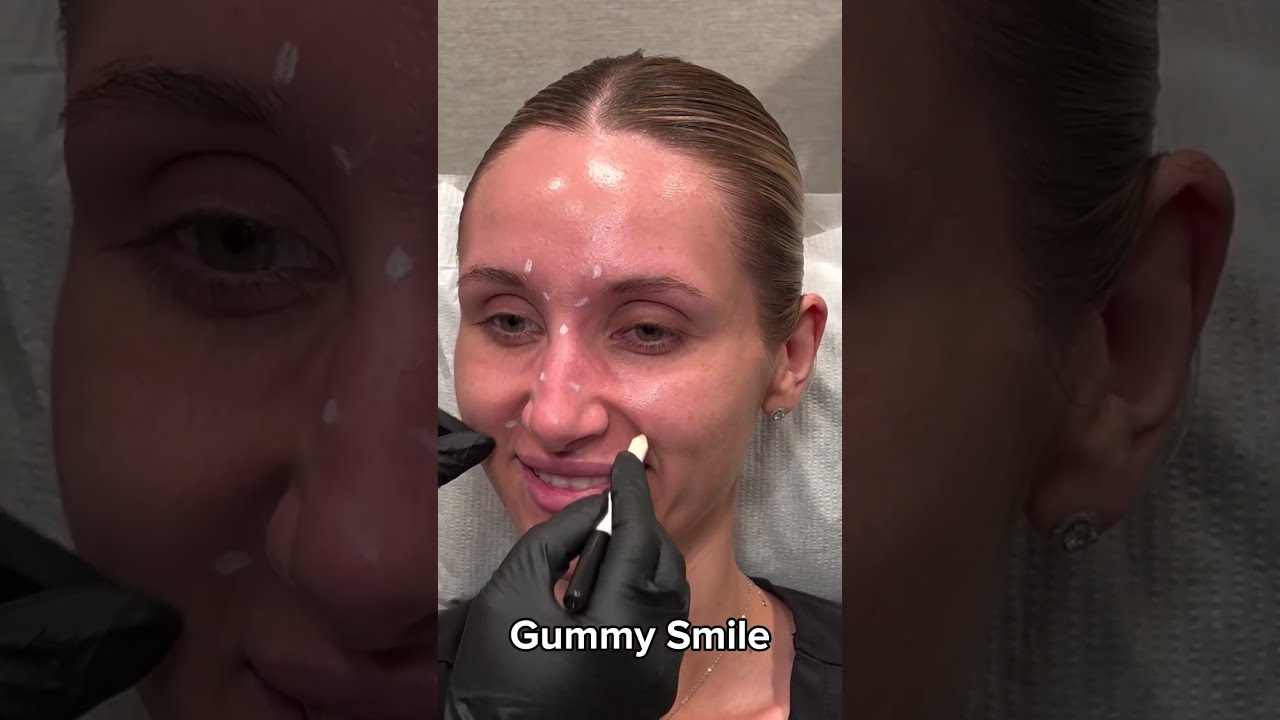
A few myths surface regularly. No, Botox cannot be reversed immediately the way hyaluronic acid fillers can be dissolved. The effect fades naturally as your nerve endings sprout new connections, which is why planning and conservative dosing are wise with first time Botox. Another myth is that all results look fake. In bruxism therapy, the aim is functional relief and subtle relaxation, not a frozen face. Also, do not expect Botox to fix a gummy smile, lip lines, or a drooping brow at the same visit unless you are explicitly treating those areas. Each has distinct dosing and risks. Finally, while baby Botox or micro Botox techniques exist for very subtle cosmetic tweaks, they are not the right mindset for strong masseter muscles. Under-dosing the masseter brings little relief. A calibrated, not timid, approach works best.
Choosing the right provider
Experience matters. Dentists, oral surgeons, facial plastic surgeons, dermatologists, and some nurse injectors use Botox for bruxism. Look for someone who treats functional jaw issues regularly, not only facial wrinkles. Ask how they map the masseter, how they handle temporalis contributions, what their touch up policy is, and how they coordinate care with your dentist. An initial Botox consultation should feel like a thoughtful clinical visit, not a quick sale. If a clinic pushes aggressive package deals or bundles without examining you, keep looking.
What success looks like
A successful Botox session for teeth grinding is quiet. Your partner no longer hears grinding. You wake up without clamped jaw muscles. Dental exams stabilize. You can still enjoy a burger, but you don’t feel compelled to chew gum all day. If jawline slimming was a goal, photos show a gentle taper that looks natural. The appointment cadence becomes routine. You check the calendar, not your pain scale.
For patients who have bounced between mouth guards, muscle relaxants that cause daytime fog, and dental repairs that never end, that quiet feels like relief on several fronts. The muscles get a break, the joints stop barking, and the teeth stop bearing the brunt of nightly force. That is where Botox earns its place, not as a cure-all, but as a well-aimed pause button that lets the system reset.
Final notes on expectations and maintenance
Treatment success requires honest expectations. If your goal is to erase every symptom in one session, you will be disappointed. If your goal is to reduce intensity and protect your teeth while you address the upstream drivers, you will likely be satisfied. Maintenance is part of the plan. Coordinate your timeline if you also receive Botox for forehead lines, frown lines, or other facial wrinkles so cumulative dosing remains safe and so you can attribute results accurately. Keep your night guard handy. Keep your dentist informed. And if life stress spikes, acknowledge that you may need a slightly earlier touch up.
There is a lot of noise around Botox price, Botox offers, and fast deals. The most reliable “Botox before and after” is the one you experience personally, with a provider who knows your jaw, understands your bite, and respects your goals. When that alignment is in place, the path from clenched nights to calm mornings is surprisingly short.