Bunny lines sound cute until you see them etched deeply along the sides of the nose each time you smile or squint. For many patients, these diagonal creases start as faint folds that appear only with expression, then linger even at rest. If the crow’s feet and frown lines got your attention first, bunny lines often show up as the next chapter. The good news: small, precisely placed botox injections can soften them without freezing your smile or changing your nose shape. The less-good news: the nose is unforgiving. Technique matters, dosage matters, and the injector’s understanding of nasal anatomy matters most.
I have treated bunny lines for years, including those that worsened after aggressive crow’s feet treatments elsewhere. This guide covers how botox for nose lines works, how to avoid the “stiff smile” trap, what results and timelines to expect, and how it fits into a broader plan for natural looking botox.
What creates bunny lines in the first place
Bunny lines are formed by overactivity of specific muscles along the nose, primarily the transverse part of the nasalis and, in some cases, fibers of the levator labii superioris alaeque nasi. When you scrunch your nose during a laugh or squint, these muscles wrinkle the thin skin over the nasal sidewalls. Repeated motion, sun exposure, and loss of dermal collagen contribute to creases that eventually remain at rest.
A few patterns show up often in clinic. Patients who received high doses for crow’s feet or a lateral brow lift sometimes recruit the nasalis more, because the orbicularis oculi has been relaxed, so the nose takes over for expression. People with allergies or chronic nose rubbing may form deeper tracks earlier. And very animated smilers, regardless of age, can see diagonal creases appear in their late twenties or thirties.
Why botox is the go-to for bunny lines
Bunny lines are dynamic wrinkles, so relaxing the muscles that cause them tends to work better than filling them. Fillers can sometimes help with static creases that have become etched, but using filler alone on mobile nasal tissue risks lumpiness and vascular mishaps. A conservative botox treatment quiets the nasalis, reduces the scrunch, and makes the skin look smoother. When needed, botox and fillers together can be staged carefully, botox first, then a tiny and superficial filler pass weeks later if a stubborn crease remains.
Compared with other facial areas, the dose is lower, the points are fewer, and the margin for error is narrower. That combination is why bunny lines make sense for patients who want subtle botox benefits and a naturally expressive face.
What a typical treatment involves
During a botox consultation, expect to be asked to smile and squint from multiple angles. The injector should watch your habitual expressions, not just a hard scrunch on command. I mark the diagonal lines that actually form, avoiding the nasal bridge and staying clear of the nostril margins. Photos help with botox before and after comparison at follow up, especially because the changes are small and often noticed most by you.
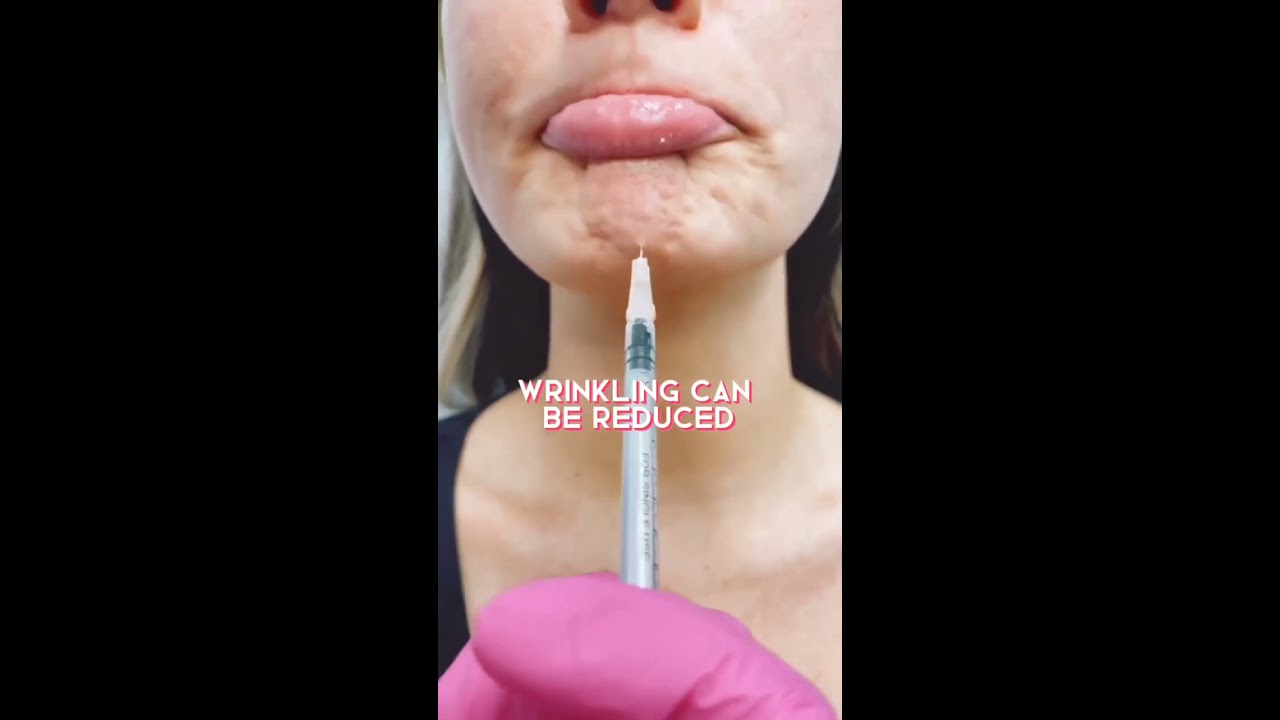
Botox procedure steps are straightforward. After cleansing the skin, I use a very fine needle and micro doses placed superficially on each side of the nose, usually two to three small points per side. It stings for a few seconds. Mild pressure reduces pinpoint bleeding. Most patients walk out with nothing more than tiny marks that fade within an hour.
What to expect with botox in this area: the nose may feel a touch less “scrunchy” when you smile, but your smile itself should look the same. If anyone can tell you had a botox treatment, the dose or placement was off.
How many units for bunny lines
The typical botox dosage for bunny lines lands between 2 and 5 units per side, often totaling 4 to 10 units. I start at the lower end for first time botox in this area and for “baby botox” fans who like ultra subtle changes. Men sometimes need slightly more due to stronger muscle mass. Very fine creases may only need a few units in total. The goal is muscle relaxation, not paralysis. A precise, light hand prevents spillover into muscles that lift the upper lip.
If you have strong crow’s feet, prominent frown lines, or a gummy smile treated at the same appointment, dosage coordination matters. Balancing the forehead lines, eyebrow shape, and the smile zone keeps expressions harmonious. This is where experience shows, and why a full-face plan beats piecemeal injections.
Results timeline and longevity
Botox results timeline follows a familiar pattern. You may feel a slight change as early as day two or three. Visible improvements generally show at day five to seven. The full effect settles by the two week mark. That is the best time for a botox touch up if a small crease remains or one side still pulls harder than the other.
How long does botox last around the nose? Expect roughly two and a half to four months. The nose is active during daily expressions, so effect duration is closer to crow’s feet than to the glabella. If you are expressive or work out intensely, you may be toward the shorter end. Preventative botox fans who maintain subtle doses tend to notice smoother lines over time, because the skin is not being furrowed as hard between sessions.
When to get botox again depends on your goals and how fast your lines return. Many patients schedule a botox appointment every three to four months. If you prefer ultra subtle results, you might come a bit sooner with smaller doses, a micro botox approach that keeps the area soft without obvious peaks and troughs.
Safety, anatomy, and common pitfalls
Botox for nose lines is a low volume treatment, which reduces the risk of systemic side effects. Still, precision matters. The biggest pitfall is treating too close to muscles that lift the upper lip, creating a heavy or asymmetric smile. Over-treating can also flatten the midface expression, making photos look “off” even if you cannot name why.
Bruising is possible, especially if you take fish oil, aspirin, or blood thinners. Small bumps at injection points resolve within minutes to hours. Headaches are uncommon but can occur after any botox session. True allergic reactions are rare. If you have an important event, schedule at least two weeks ahead to allow the botox to reach full effect and any mild swelling to settle.
Another pitfall is chasing static creases with botox alone. If the line persists at rest after two weeks with proper muscle relaxation, a minute amount of superficial hyaluronic acid filler or skin resurfacing may be needed. Treating everything with more botox is how you end up with odd smiles and poor outcomes.
Cost, value, and realistic expectations
Botox cost varies widely by region, experience, and clinic model. Some charge per unit, others per area. For bunny lines, per-unit pricing often makes sense because dosage is low. As a ballpark, expect a botox price that reflects 4 to 10 units plus the injector’s expertise. In higher cost cities, the session might sit between modest and mid-tier pricing because of the small quantity but high skill requirement.
Botox deals and botox specials can be tempting. If an offer looks too cheap, ask who is injecting, what product is being used, and whether a follow-up is included. Your nose is not the place to gamble on counterfeit products or rushed technique. The best botox results come from tailored dosing and careful placement, not a race to the https://www.youtube.com/channel/UCWRkJtp3Ll2k7EVHs5xWDOQ lowest fee.
Where bunny lines fit in a full-face plan
Most patients who ask for botox for nose lines already manage forehead lines, crow’s feet, and frown lines. Each zone interacts. Soften the brow too much and expressions move lower, which can intensify bunny lines and smile lines around the mouth. Leave the brow too strong and the upper face dominates, making lower-face lines look less important in comparison. Thoughtful balance keeps everything cohesive.
" width="560" height="315" frameborder="0" allowfullscreen="" >
If you are also considering a botox brow lift, a lip flip, or corrections for a gummy smile, sequence and dose need to be coordinated. A small gummy smile treatment can beautifully complement bunny line relaxation, provided the injector respects the levator complex and avoids stacking doses that over-relax the upper lip.
First treatment vs maintenance
First time botox patients often ask for something minimal to “see how it goes.” That is sensible for the nose. I start with conservative units, reassess at two weeks, and add a drop if needed. Over time, many patients find their maintenance dose can remain low while still delivering natural looking botox results. This is the essence of subtle botox and preventative botox: keep motion, reduce wrinkling, avoid the frozen look.
Botox longevity for bunny lines does not substantially increase with higher doses, because the muscle is small and facial animation persistent. More product mostly raises the risk of side effects. Maintenance works best with steady sessions and modest doses.
Preparing for treatment and aftercare that actually matters
The nose area does not require elaborate prep, but a few steps improve the experience and reduce bruising risk. Skip alcohol, high-dose fish oil, and non-essential NSAIDs for a couple of days beforehand if your doctor agrees. Arrive with clean skin, no heavy makeup over the nose and cheeks. During the botox procedure, expect brief stings. Communicate if you feel anything sharp or unusual.
Botox aftercare instructions for this area are straightforward. Do not rub or massage the injection points. Avoid lying flat for about four hours. Postpone intense workouts until the next day. You can cleanse your face gently that evening. If a small bruise shows up, it can be concealed the following day. Pay attention to symmetry when you smile during the first week, then evaluate the botox results after one week and again at two weeks. Subtle improvements often continue to refine up to day fourteen.
If you schedule a botox session close to a major event, give yourself breathing room. Brides and speakers usually plan a visit four to five weeks before the date, then a quick check at two weeks if any touch up is needed.
When botox alone is not enough
Deep, etched nasal creases sometimes exceed what botox for wrinkles can erase. Two paths help. First, combine botox with resurfacing, like a series of light peels or fractional treatments to remodel the skin. Second, if a specific crease remains, a tiny thread of soft hyaluronic acid filler placed very superficially can fill the ridge. I stress the word tiny: the nose is vascular territory, and overfilling looks obvious.
Skin quality affects outcomes. Patients working on collagen with retinoids, sunscreen, and consistent care enjoy more durable improvements. Botulinum toxin relaxes motion, but the skin still needs structural support to look its best.
Choosing an injector and asking the right questions
It is not hard to inject the nose. It is hard to do it well every time. Your injector should be comfortable discussing risks, variation in anatomy, and how they handle asymmetry at follow up. Ask how many units they typically use for bunny lines, how they avoid upper lip involvement, and what their botox touch up interval looks like.
Experience across multiple facial zones matters. Someone who regularly performs botox for crow’s feet, a brow lift, smile correction, and lip flip will have an intuitive sense of how each zone affects the others. If you have had botox gone wrong before, bring photos and share exactly what felt off. A good clinician can often fix bad botox by letting some areas wear off while strategically balancing others.
Special situations: men, allergies, and photo-heavy jobs
Men usually need slightly more units because their nasalis can be bulkier, but the same conservative principle applies. For patients with chronic allergies or frequent nose blowing, results may fade faster due to repetitive motion and local inflammation. Those who are photographed often, on camera or on stage, should prioritize natural looking botox with enough movement to keep expressions believable under bright lights. Slight under-treatment in this area usually reads better on video than an over-smoothed sidewall.
Side effects, risks, and what to watch for
Common botox side effects are mild: pinpoint redness, small bruises, brief tenderness. Occasional headaches can follow any botox treatment. Rarely, if the toxin diffuses into the upper lip elevators, you might notice a flatter smile or mild speech changes on “F” or “V” sounds. This usually resolves as the botox wears off over weeks. True complications are uncommon with low doses and careful technique.
Call your clinic if you see excessive swelling, spreading bruising you did not expect from a small needle, or if your smile looks asymmetric after a week. Most issues can be managed with reassurance, time, or a balancing dose in a nearby muscle once the initial result declares itself.
How bunny line treatment overlaps with other goals
Patients often arrive for botox for facial wrinkles as part of broader anti aging care. If you are also considering botox for eyes, a brow lift, or tweaks around lip lines, coordinate the timing. Crow’s feet treatment frequently reduces squinting, which can indirectly reduce bunny lines. If you plan masseter reduction for facial slimming, that does not usually affect the nose, but it changes overall facial balance, so photos for botox before and after should be consistent and staged.
Botox vs fillers is not either-or. For dynamic wrinkles like bunny lines, botox is primary. For static creases and volume changes, fillers help elsewhere. Some patients like micro botox in pore-prone, oily skin areas, but the nasal sidewall is not the place for heavy microdroplet plans. Save that strategy for the T-zone or cheeks if indicated, and only with a clinician comfortable with technique and dosage nuance.
Myths, facts, and the limits of reversal
A few botox myths cause unnecessary worry. No, botox for nose lines will not spread all over your face if placed correctly and dosed conservatively. No, it will not change your nose shape. Is botox safe around the nose? For healthy adults, in trained hands and with approved products, the safety profile is strong. Can botox be reversed? Not in the way filler can. If you dislike the effect, time is the remedy. Strategic balancing elsewhere can help while you wait.
How often can you get botox? There is no strict limit, but most patients do well with three to four sessions per year. Long term use does not “stretch” the skin. In fact, by reducing repetitive creasing, you can slow the formation of etched lines. You can, however, overdo it in the short term and look flat. Moderation wins.
A quick comparison to other common areas
Forehead lines require careful dosing to maintain brow support. Frown lines between the brows often need firmer dosing for longer longevity. Crow’s feet tolerate moderate doses but can create bunny line recruitment if overdone. The nose requires the least product and the most finesse. Think of it as punctuation for your expressions, not the main paragraph.
Practical planning for best outcomes
- Schedule your botox appointment at least two weeks before events where photos matter. Share prior botox results, including what you liked and what felt off, so dosing can be tailored. Start conservatively for first time botox in the nose area, then adjust at a two week check if needed. Keep skin care consistent to support collagen and improve texture over your botox timeline. Space other treatments, like peels or lasers, around injection days per your clinician’s guidance.
Case notes that illustrate the nuance
A 34-year-old woman with mild crow’s feet and pronounced bunny lines when laughing wanted subtle botox. We used 2 units per side initially. At two weeks, lines improved by about 60 percent with no change to her smile. She loved that friends noticed she looked “rested,” not “done.” On maintenance, we kept the same dose every 12 to 14 weeks and added nightly retinoid. After six months, the static crease at rest faded further because the skin was no longer being repeatedly folded.
A 46-year-old man with prior heavy crow’s feet treatment elsewhere developed exaggerated nasal scrunching in photos. We lowered his crow’s feet dose and added 3 units per side to the nasalis. Two weeks later, his smile looked balanced again. The key was not just treating bunny lines, but rebalancing the entire periorbital plan.
Where to have it done and how to evaluate clinics
If you are searching botox near me, look beyond price and convenience. Read clinician bios. Look for experience with facial anatomy, not just volume of appointments. Ask whether the clinic schedules a two week review for fine-tuning, because that is where small asymmetries can be addressed. Clinics that value follow-up tend to deliver better long term results.
If budget matters, ask about botox offers that do not compromise product authenticity or injector time. Consistency with the same clinician beats hopping around to chase botox specials, because your injector learns your expression patterns and your preferred balance of movement and smoothness.
Final thoughts from the chair
Bunny lines do not need a heavy hand. The best outcomes come from three principles: diagnose the pattern you actually have, place small doses exactly where they are needed, and coordinate with other facial zones so your expressions remain yours. If you take that approach, botox for nose lines slots neatly into a natural, refreshed look that reads as you on your best day.
If you are new to botox cosmetic treatments, start with a consultation that maps your concerns across the face, not just the nose. Small doses, careful photos, and a two week touchpoint build trust and better results. For seasoned patients refining their routine, bunny line treatment is often the missing piece that makes the eye area look fully harmonious without going stiff.
Done properly, you will not notice less personality in your face. You will notice fewer diagonal creases stealing the spotlight when you smile. That is the point of a good botox beauty treatment: refine, don’t erase.